Death of Cuban Dissident Leo Fernández Cruz Raises Concerns Amid Ongoing Political Repression
By Michael Lima | DEMOCRATIC SPACES | October 13, 2026
Democratic Spaces deeply mourns the death of Cuban poet and pro-democracy activist Leo Fernández Cruz, who died on Saturday, October 10, at the age of 45, in a traffic accident in Havana. Shortly before his death, Fernández Cruz had denounced the harsh prison conditions endured by political prisoners detained at Havana’s Combinado del Este prison in connection with the July 11, 2021, pro-democracy protests.
Human rights defenders and close friends reported that Fernández Cruz had endured years of systematic harassment and persecution by Cuba’s State Security apparatus because of his openly dissident views.
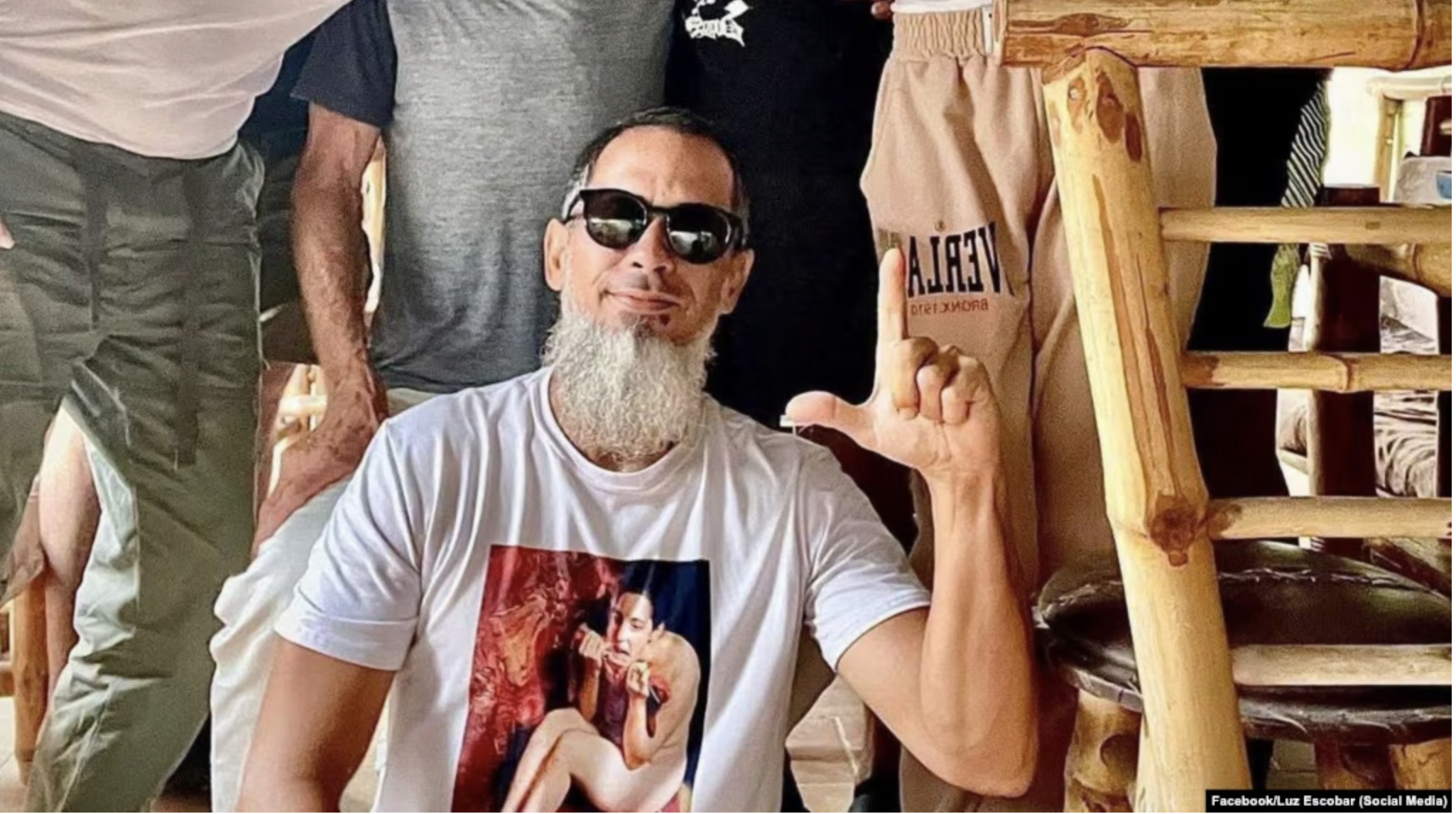
Cuban poet and activist Leo Fernández Cruz. Photo: Luz Escobar’s FB profile/Martí Noticias
His death comes just two months after reports emerged of the violent death of another Cuban opposition activist, Diosbel Véliz Marín, who, according to his wife, was fatally stabbed. Véliz Marín was a member of the Movement of Opponents for a New Republic (MONR) and was also affiliated with the Democracy Movement, the Cuban Resistance Assembly, and Cuba Decide.
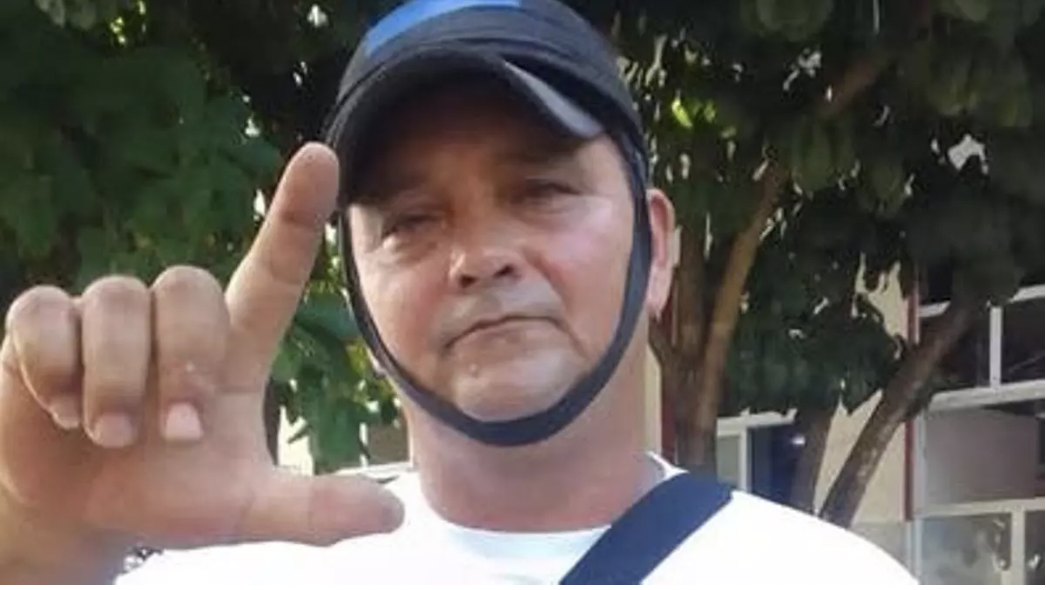
Diosbel Véliz Marín. Photo: José Díaz Silva’s FB profile/14 y Medio
Adding to concerns surrounding these deaths are reports of political prisoners who have died in government custody. According to the human rights organization Cubalex, Ernesto Brieva Sempé, a 52-year-old Cuban political prisoner, died in the early hours of May 13, 2026, at Havana’s Combinado del Este prison. He had reportedly been suffering from severe malnutrition, although the official cause of his death had not been independently verified. In January 2023, he had been sentenced to five years of correctional labour without imprisonment for participating in the July 11, 2021, protests. According to reported figures as of May 2026, at least six political prisoners associated with the July 11 protests have died in custody since 2021, including two in 2026.
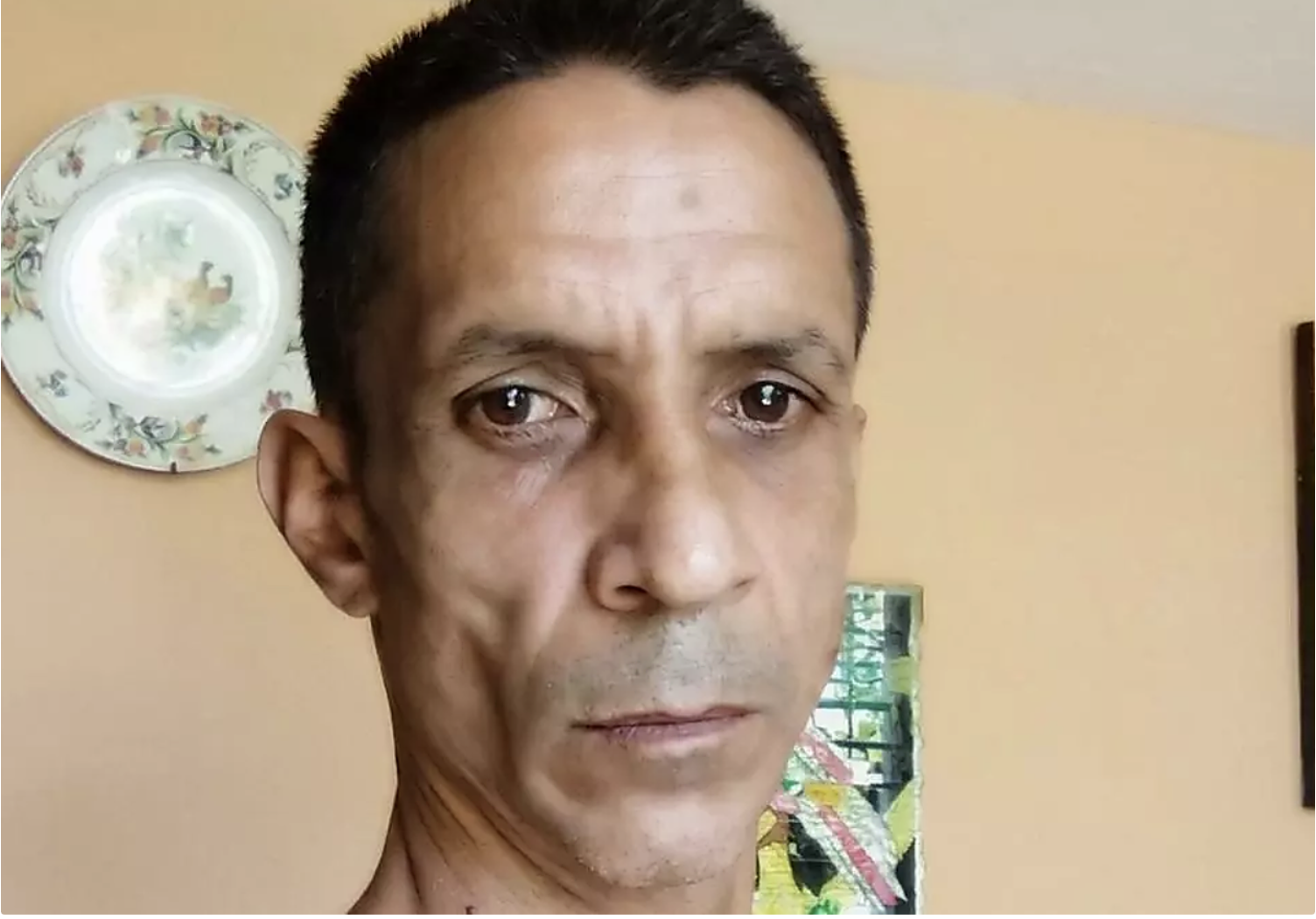
Ernesto Brieva Sempé. Photo: ABC
The deaths of political opponents in traffic accidents, under violent circumstances, including fatal stabbings, or while in custody in prisons are a matter of particular concern in totalitarian states. In other authoritarian regimes, including Russia, opposition figures have died under violent circumstances involving stabbings, poisonings, strangulation, or shootings. Such precedents underscore the importance of conducting prompt, thorough, and independent investigations into the deaths of individuals who have faced political persecution, without prejudging the causes or possible responsibilities.
In Cuba, however, the absence of an independent judiciary and an effective separation of powers presents serious obstacles to credible, impartial, and transparent investigations, particularly when the victims are individuals who have openly challenged the regime.
These deaths are especially alarming in the context of the longstanding repression of Cuba’s pro-democracy movement. For decades, Cuban authorities have employed various methods to weaken, dismantle, and ultimately eliminate peaceful political opposition, including harassment, surveillance, arbitrary fines, fabricated criminal charges, imprisonment, smear campaigns, and forced exile.
The scale of this repression is reflected in recent human rights reports. As of August 2026, according to the NGO Prisoners Defenders, Cuba held 1,339 political prisoners, including 155 women and 38 individuals who were minors at the time of their detention. Furthermore, Cubalex documented more than 5,000 incidents involving human rights violations between January and August 2026, including police crackdowns, targeted acts of repression, and arbitrary arrests. These figures illustrate the systematic nature of the repression directed against political dissent and the broader Cuban population.
Democratic Spaces expresses its solidarity with the families and loved ones of Leo Fernández Cruz and Diosbel Véliz Marín and reiterates the importance of establishing the circumstances surrounding their deaths through independent and transparent investigations.
Our organization also joins the calls for an end to political repression in Cuba and the immediate and unconditional release of all political prisoners. We reaffirm our solidarity with the Cuban people's aspirations to build a free, democratic, and pluralistic nation.